
Skip to content

Who we are

We know how organisations work. We know how humans work.We know what to do when they collide.

The founders

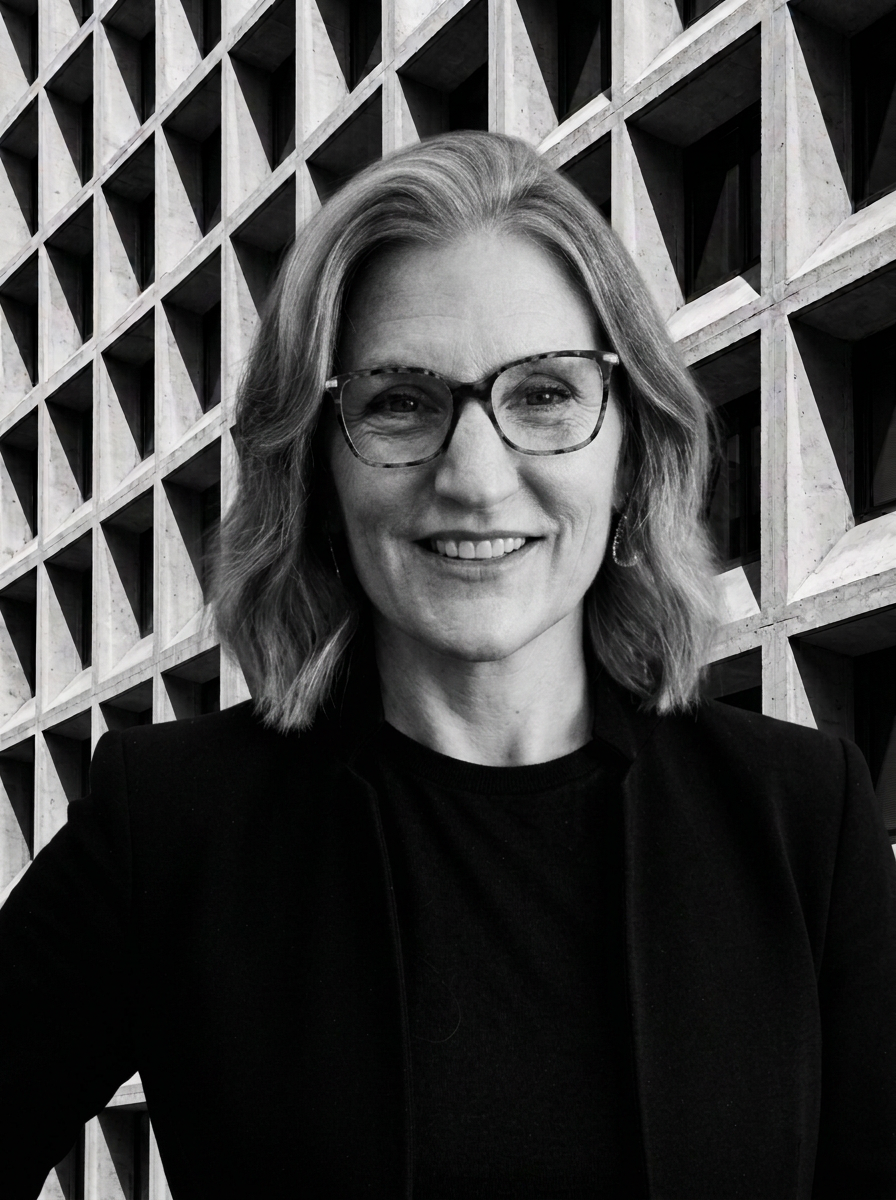
Portrait of Becky Hirst

Becky Hirst

Co-founder, FTS · Founder, Hey Engage

Community Engagement and Strategic Planning Practice · Author, speaker and facilitator · Award winning entrepreneur

Becky has spent 27 years at the intersection of strategy, community and humanity, across all levels of government and with organisations navigating complex, politically sensitive decisions. She's an author, speaker and facilitator, a Fellow of the Royal Society of Arts and co-instigator of Global Community Engagement Day. She also sits on the SACE Board of South Australia. She knows her way around strategy, governance and systems, and what happens when the humans inside them aren't really in the room. She's spent her career making the unsaid sayable.

We're making a decision about them. Why aren't they here?

Diagnosed neurodivergent late, she brings perspective, language and very little patience for systems that make people repeatedly prove what they already know about themselves. She names the thing everyone's thinking but nobody's game to say, kindly and usually immediately, before it costs anyone another decade of pretending.

Nothing off limits. Open book.
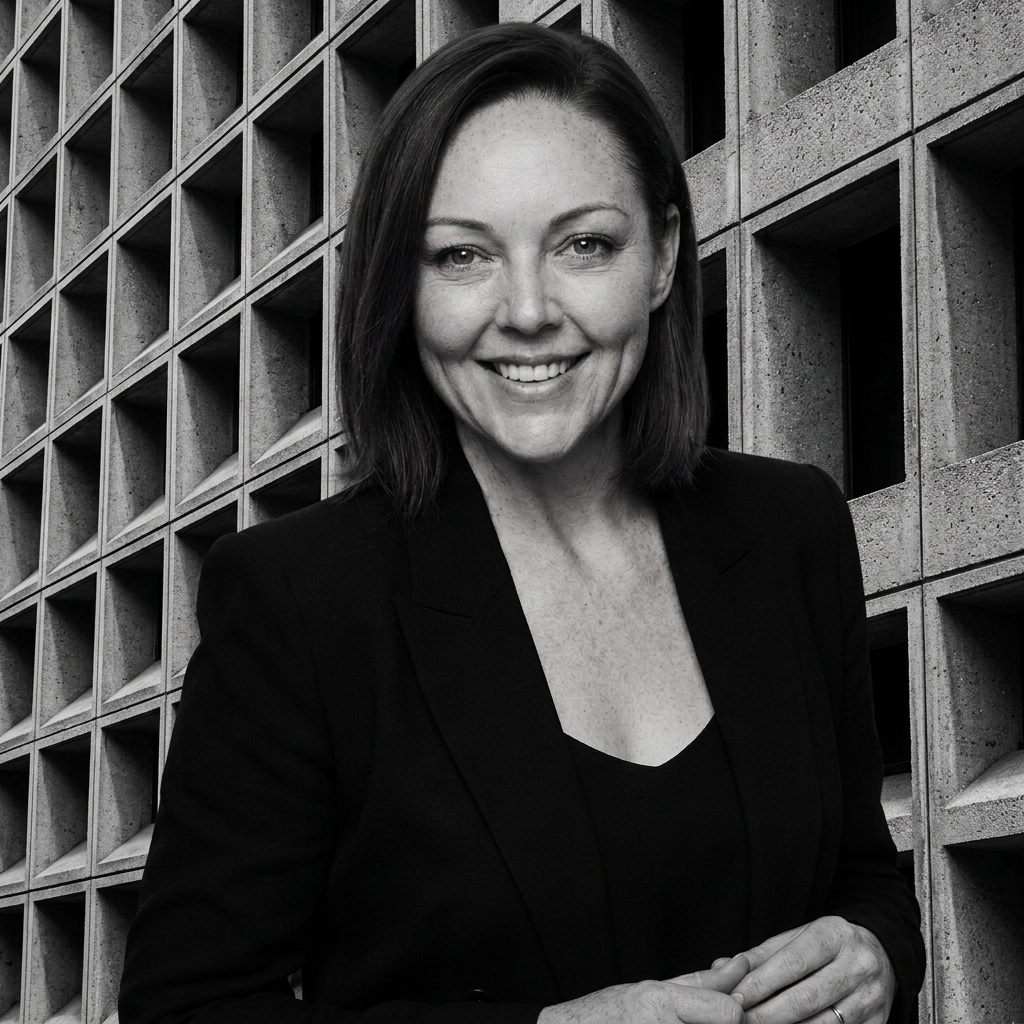
Portrait of Karen Cocks

Karen Cocks

Co-founder, FTS · Founder, SALI Collective

Customer Experience and Leadership Development practice · Award winning corporate guru, now entrepreneur

Built her Customer Experience practice over decades in senior leadership, with national accountability for product portfolios worth hundreds of millions. She also has a Masters in Business Leadership and has spent years working with leaders on the human side of organisations. She loves 360 feedback, leadership development and ADHD coaching. Give her a complicated human, a broken system and some feedback nobody knows what to do with, and she's happy.

I am exhausted from trying to fit my life into your process.

Diagnosed neurodivergent late after a health journey that made a lot of things make sense. She brings the operating model brain and the people brain: where the system is breaking, and the shortest honest path to fixing it. No transformation theatre. No 87-slide deck. Just the fix.

Nothing off limits. Open book.

Our story

Built from voice notes, not a business plan.

We didn't start FTS with a business plan. We started it with voice notes.

We had already crossed paths more than once: a governance board handover back in 2017, then again, more than once, before either of us clocked that our working lives had been running in parallel the whole time. So when we finally sat down to build something together, we skipped the whiteboard and the pitch deck. We just started talking. Voice note by voice note, in the car, on a walk, whenever a thought landed.

We interviewed each other that way. Then we built the business plan the same way. Somewhere in the middle of all that talking, we started sharing the work each of us was already doing in our own practices (Becky's community engagement work, Karen's CX and leadership work) just to test how the other one thought.

That's when it clicked. Different branding, different sectors, same work underneath it: we engage. We build capability. We fix the system. There was no pivot. It was just obvious, once we said it out loud.

And somewhere in all those voice notes, we realised something else: everyone we actually know (our clients, our peers, ourselves) is a version of "Amy." The fast-processing, high-achieving woman running strategy inside someone else's organisation, working out why nothing quite fits the way it's supposed to. That's who FTS, and the podcast, is actually for.

We also realised, around the fortieth voice note, that pulling this off was going to take some serious executive-functioning support. So we built it: a shared task board, tick-boxes, and a small, ridiculous pig that scrolls down the screen every time something gets done. Discipline was never the point. We were designing a system that actually worked for our brains, one that delivered the dopamine hit of completion instead of asking us to squeeze into a structure that didn't fit. We were already fixing systems instead of people. We just proved it works in our own business first.

Two neurodivergent women who met by accident, built a business by talking instead of planning, and are fixing the systems around us the same way we built FTS: energy-led, out loud, and without waiting for permission to do it differently.

Becky & Karen

Why both matter to us

Two disciplines, and two reasons this is personal.

Community engagement

Becky's discipline

Twenty-seven years of getting the people affected by a decision into the room where it gets made. That is the same skill that finds the gap inside an organisation, and the same instinct that says a neurodivergent woman should not have to keep proving what she already knows about herself.

Customer experience

Karen's discipline

Decades of designing what it feels like to be on the receiving end of a business. Point that at your internal processes and you find where staff are propping up the system. Point it at a leader's own week and you find the same thing.

Systems shape experience. People shouldn't have to contort themselves to fit them. That's true for a patient, a parent, a customer, and for the woman running the department.

Get in touch

Ready to see your system differently?

Tell us what your people are working around. We'll tell you honestly whether we're the right people to help.

contact@fixthesystems.world

A note on the spectrum

Our own neurodivergence is the push-pull of Autism and ADHD interacting, which research links to higher rates of anxiety, depression and burnout, and which, for us, shows up in the gap between what we can do and what the system expects. That's been our experience, to varying degrees and at different times.

However, that's a very different experience to what's often called high support needs autism, where someone might be nonverbal or minimally verbal, need full support with daily living like dressing, eating or staying safe, and require care around the clock, for life. That is daily reality for a lot of families, not a metaphor. We are not speaking for that experience, and we don't want our story to blur into it.

The spectrum is wide for a reason, and the people at the higher-support end of it deserve to be seen and resourced on their own terms, not folded into ours.

So when we talk about being brilliant, unapologetic, boss-bitch versions of ourselves, that's specifically about our end of the spectrum. It is one part of the story of autism: ours.

Boss-bitch brilliant, for us, means knowing what you're brilliant at and equally knowing what you're not, and owning both.